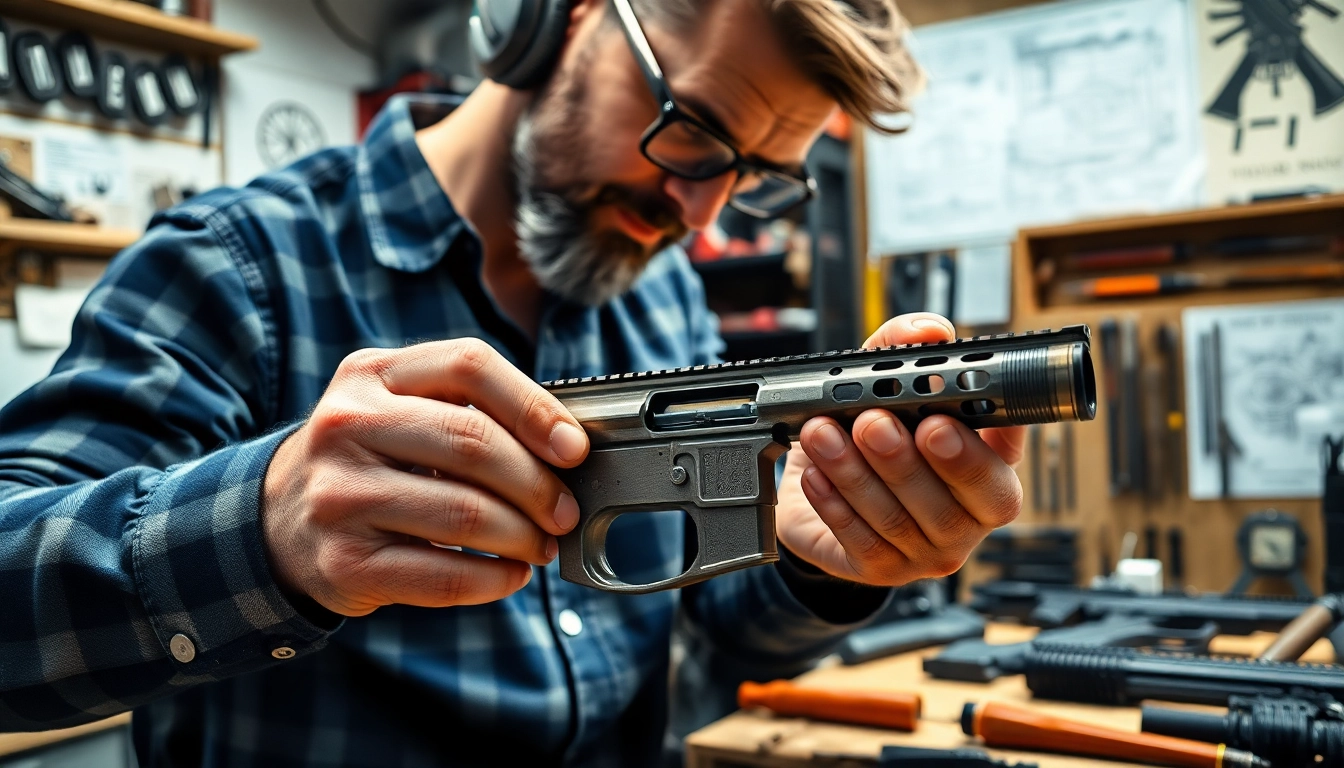
What is a Forced Reset Trigger?
Definition and Functionality
A Forced reset trigger is an innovative device designed to enhance the firing mechanism of firearms. Unlike traditional triggers that require a complete pull and release for each shot, a forced reset trigger enables the shooter to fire multiple rounds with minimal trigger manipulation. The design allows it to reset automatically during the recoil phase, facilitating an extraordinarily rapid succession of shots. This engineering marvel leverages the inherent mechanics of semi-automatic systems, optimizing the firing process while maintaining user control.
Common Applications of Forced Reset Triggers
Forced reset triggers find their primary utility in various shooting scenarios. Competitive shooting environments, such as IPSC (International Practical Shooting Confederation) competitions, frequently employ these devices for their rapid-fire capabilities. Additionally, forced reset triggers are popular among tactical shooters, providing advantages in dynamic environments where quick follow-up shots are essential. They are also appreciated by sport shooters and hobbyists looking to enhance their shooting experience and improve their performance.
Difference Between Standard and Forced Reset Triggers
The fundamental difference between standard triggers and forced reset triggers lies in their operational mechanics. A standard trigger typically requires a full pull to discharge a round, followed by a deliberate release to reset. This sequence limits the rate of fire, which can be a disadvantage in competitive or tactical settings. In contrast, a forced reset trigger minimizes the reset distance, allowing the trigger to return to a ready position without a complete release. This design results in quicker shooting times, enabling the user to fire continuously with significant efficiency.
Benefits of Forced Reset Triggers
Increased Rate of Fire
The most notable advantage of implementing a forced reset trigger is the increased rate of fire. Users can achieve rapid discharge of multiple rounds with minimal finger movement compared to traditional setups. This effectiveness is particularly crucial in scenarios requiring quick engagements, such as competitions or tactical operations. Studies and anecdotal evidence show that shooters equipped with forced reset triggers can outperform their peers using standard triggers.
Enhanced Shooting Experience
A forced reset trigger creates a more engaging shooting experience due to its intuitive operation. Shooters often report enhanced satisfaction as they quickly adapt to the responsive pull of the trigger. The immediacy of the reset offers a blend of confidence and excitement, encouraging practice and skill development. As shooters become more accustomed to this system, they often build favorable muscle memory, which translates to improved overall shooting performance.
Improved Accuracy and Control
When combined with the right firearm, a forced reset trigger can contribute significantly to improved accuracy and control. As users familiarize themselves with the trigger response, they develop finer control over firing sequences. The reduced trigger pull distance enables precise follow-up shots, helping to maintain target acquisition and alignment. This accuracy advantage is vital in competitive shooting and personal defense scenarios, where every shot counts.
Installation Guidelines for Forced Reset Trigger
Essential Tools and Equipment
Before installing a forced reset trigger, it is essential to gather the necessary tools and equipment. Typical tools include a punch set for pin removal, a flathead screwdriver, an Allen wrench set, and cleaning supplies to maintain your firearm. Having proper eye protection and a well-lit workspace is also crucial during installation to ensure safety and accuracy throughout the process.
Step-by-Step Installation Process
- Ensure Safety: Before beginning installation, ensure that the firearm is unloaded and that the safety is engaged.
- Disassemble your Firearm: Carefully disassemble the firearm following the manufacturer's instructions.
- Remove the Factory Trigger: Use a punch to remove the trigger assembly pins and gently extract the factory trigger.
- Install the Forced Reset Trigger: Position the forced reset trigger into place, ensuring it aligns with all corresponding parts.
- Secure and Check Assembly: Reinsert the trigger assembly pins. Check the assembly to make sure everything functions as it should.
- Reassemble the Firearm: Once the trigger is installed, carefully reassemble your firearm.
- Perform Function Check: After reassembly, point the firearm in a safe direction and conduct a function check to ensure proper operation.
Safety Precautions to Consider
Safety should always be the top priority when working on firearms. Always ensure that your firearm is unloaded before beginning the installation process. Use protective eyewear to prevent injury from debris, and work in a clean, organized space to minimize hazards. If you are unsure about any step in the installation process, consult with a professional gunsmith to ensure your modifications are safe and effective.
Performance Metrics for Forced Reset Trigger
Testing Functionality and Reliability
The performance of a forced reset trigger can be evaluated through various testing methods. Functionality tests typically evaluate trigger response times and the consistency of reset after multiple rounds. Reliability assessments focus on how well the trigger performs under different environmental conditions, including temperature changes and exposure to moisture. These tests are critical for users who require a dependable setup, ensuring that their modifications do not compromise firearm integrity and safety.
Key Performance Indicators
When assessing the performance of a forced reset trigger, key performance indicators include rate of fire, accuracy, and user comfort. The ideal trigger should enable faster follow-up shots without sacrificing control or precision. Users should also note the trigger's reset distance, as a shorter reset generally translates to improved performance. Gathering data on these metrics during practice sessions can provide insights into improvements needed for optimization.
Tuning and Adjustment Techniques
For users looking to enhance their forced reset trigger experience further, tuning and adjustment techniques can make a significant impact. Adjusting the trigger weight can personalize the pull to each shooter's preference, and fine-tuning the reset engagement can lead to faster, more intuitive shooting. Document any changes made and test thoroughly to ensure optimal results. Always refer to manufacturer guidance to prevent compromising safety or performance.
FAQs About Forced Reset Triggers
What advantages do forced reset triggers offer?
Forced reset triggers provide advantages such as increased rate of fire, enhanced shooting experience, and improved accuracy due to quicker follow-up shots and better control.
Can I install a forced reset trigger myself?
Yes, you can install a forced reset trigger yourself using proper tools and following safety precautions. However, consulting a gunsmith is recommended if unsure about the process.
Are forced reset triggers legal?
Forced reset triggers are legal in many jurisdictions; however, it's crucial to check local laws and regulations as they can vary significantly.
How do I maintain my forced reset trigger?
Maintain your forced reset trigger by regularly cleaning it and lubricating parts as needed. Additionally, perform functional checks periodically to ensure reliability.
Where can I buy quality forced reset triggers?
You can buy quality forced reset triggers from specialty firearm retailers, both online and in physical stores, focusing on trusted brands for reliability.