Understanding Tree House Life: A Modern Perspective
The concept of living in tree houses, encapsulated in the notion of tree house life, has seen a resurgence in popularity, particularly in the wake of growing environmental consciousness and a desire for unique living experiences. Modern tree houses are no longer mere childlike fantasies; they are intricate structures that offer families an opportunity to reconnect with nature while enjoying the comforts of contemporary living. This article explores current trends in tree house living, the benefits associated with them, and the environmental impact such structures can have.
Overview of Tree House Living Trends
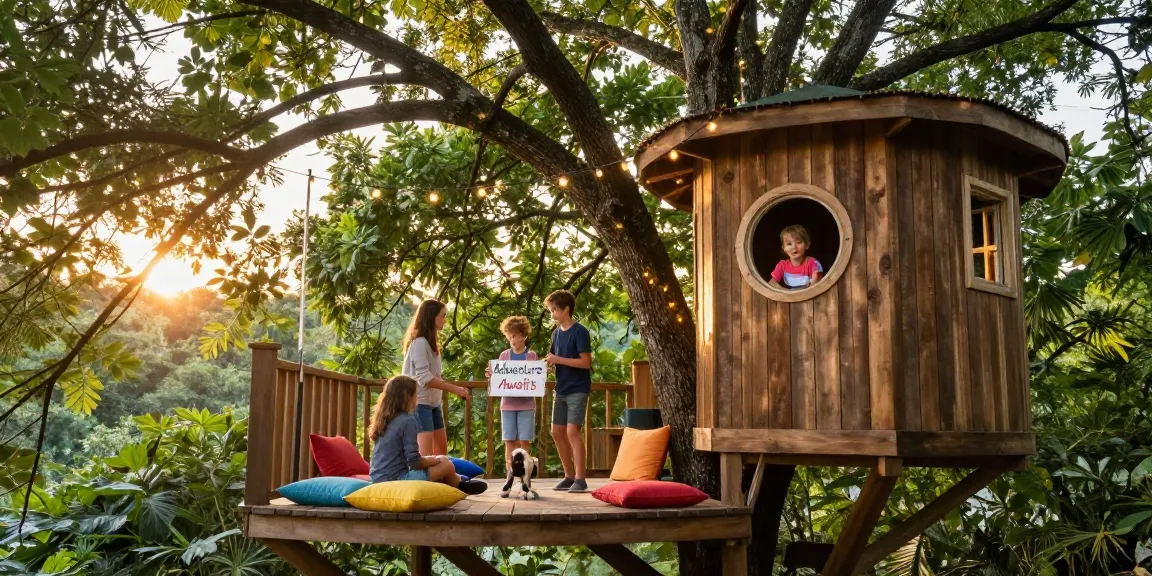
Tree houses are becoming increasingly popular as more individuals and families seek to create a lifestyle rooted in sustainability and adventure. Unlike traditional housing, tree houses offer unique architectural designs that blend seamlessly with their natural surroundings. 2026 is witnessing an innovative approach where tree houses are equipped with modern amenities, including electricity, plumbing, and eco-friendly materials, thereby making them viable year-round residences.
Benefits of Living Among the Trees
Living among the trees has numerous psychological and physical benefits. Studies have indicated that exposure to nature can significantly decrease stress and anxiety levels. Tree houses provide a peaceful retreat that encourages relaxation and connection with the environment. Additionally, tree living can promote a more active lifestyle, as they are often situated in natural settings that are ideal for hiking, climbing, and exploring.
- Enhanced mental health and well-being
- Opportunity for outdoor activities
- Unique bonding experiences for families
- Increased privacy compared to traditional homes
Environmental Impact of Tree Houses
Environmental sustainability is a core principle driving the trend toward tree house living. When carefully designed and constructed, tree houses can have minimal ecological footprints. The use of renewable materials, such as reclaimed wood and bamboo, coupled with energy-efficient building practices, contributes to a lower impact on the environment. Moreover, tree houses can help sustain local biodiversity by fostering habitats for various species.
Designing Your Dream Tree House
Key Design Elements for Aesthetic Appeal
The design of a tree house plays a crucial role in its overall appeal. Key elements such as architecture, colour schemes, and the use of natural materials can enhance its beauty and harmony with the surrounding environment. Incorporating large windows can bring natural light into the space, providing breathtaking views of the treetops.
- Open-plan layouts for spaciousness
- Sustainable materials that blend with nature
- Functional outdoor spaces such as decks or balconies
Safety Features to Incorporate
Safety should be a top priority when designing and building a tree house. Key safety features include secure access points, such as sturdy ladders or spiral staircases, and reinforced structures that can withstand various weather conditions. Regular safety checks and maintenance play a vital role in ensuring the longevity and security of the tree house.
Materials and Sustainability Considerations
Choosing the right materials is paramount for creating a sustainable tree house. Opting for eco-friendly options, such as recycled timber, can reduce the environmental impact. Furthermore, consider utilising non-toxic finishes and paints to enhance indoor air quality. The careful selection of materials not only benefits the environment but also contributes to the durability of the structure.
Tree House Life: Building and Maintenance
Step-by-Step Guide to Tree House Construction
Building a tree house might seem daunting, but with careful planning and a systematic approach, it can be an enjoyable DIY project. Start by selecting a healthy tree capable of supporting the weight of the structure. Next, design the layout, ensuring it meets your aesthetic and functional requirements. After securing any necessary permits, you can begin construction, prioritising safety and structural integrity throughout each stage.
Essential Tools and Equipment
The right tools can make all the difference in the construction process. Essential tools include saws, drills, levels, and safety gear such as harnesses and helmets. It's critical to use high-quality equipment to ensure precision and safety during the building process.
Maintenance Tips for Longevity
Regular maintenance is key to prolonging the life of your tree house. This includes inspecting the structure for signs of wear, checking for water damage, and cleaning gutters to prevent blockages. Regularly treating wooden surfaces with protective coatings can also help to safeguard against pests and weather-related damage.
Community and Social Aspects of Tree House Living
Creating Shared Spaces for Families
Tree houses can serve as communal spaces that foster close-knit family bonds. Designing shared areas, such as lounges or dining spaces, encourages family interactions and gatherings. This promotes a sense of community and belonging, which is often missing in modern urban living.
Tree House Communities: A Growing Trend
With the rise of the tree house lifestyle, communities dedicated to tree house living are emerging. These communities often feature clusters of tree houses that encourage shared resources and communal activities. Residents benefit from a supportive network, participating in workshops and events that promote sustainable living.
Engaging Children with Nature through Tree Houses
Tree houses can provide children with invaluable opportunities to engage with nature, encouraging curiosity and exploration. Creating nature-inspired play areas and educational zones within tree houses can further enhance children's learning and appreciation for the environment.
Future Trends in Tree House Living for 2026 and Beyond
Innovative Features and Technology Integration
The future of tree house living will likely see increased integration of technology. Smart home features, solar energy solutions, and eco-friendly heating systems are set to become standard components of tree house designs. These innovations will provide comfort while maintaining sustainability.
Predictions for Tree House Architecture
As architectural trends evolve, tree houses are expected to incorporate more sustainable designs and innovative building practices. Future tree houses may also feature modular systems that allow for easy expansion or reconfiguration, making them even more versatile for evolving family needs.
Changing Perceptions of Outdoor Living Spaces
The perception of outdoor living is undergoing a significant transformation as more individuals embrace the idea of living in harmony with nature. Tree houses are at the forefront of this shift, offering a unique perspective that blends outdoor adventure with the comforts of home. The increased interest in sustainable and eco-conscious living is likely to propel this trend even further in the coming years.
How can I ensure my tree house is safe?
Regular inspections, secure construction, and adherence to safety guidelines will ensure a safe tree house. Consulting with professionals can also provide invaluable insights into the best practices for tree house safety.
What materials are best for building a tree house?
Utilising durable, eco-friendly materials such as cedar, redwood, or pressure-treated pine can enhance the longevity of a tree house. Additionally, opting for sustainable finishes can improve indoor air quality and environmental impact.
Can I live in a tree house full-time?
With the right design and amenities, living in a tree house full-time is entirely feasible. Many tree houses today include modern conveniences and can function as comfortable homes.
What permits are needed for tree house construction?
Permit requirements vary by location. Generally, it is advisable to consult local building authorities to ensure compliance with zoning laws and construction regulations.
How do tree houses impact the environment?
When built responsibly, tree houses can serve as eco-friendly structures that promote biodiversity and utilise renewable resources. They can also enhance a family’s connection to nature, fostering an appreciation for the environment.