Understanding Beyin Tümörü Ameliyatı
Beyin tümörü ameliyatı, hem iyi huylu hem de kötü huylu tümörlerin tedavisinde kritik bir rol oynamaktadır. Bu süreç, hastanın sağlığını, yaşam kalitesini ve genel beyin fonksiyonlarını korumak amacıyla geniş bir yaklaşımla yürütülen bir dizi aşamadan oluşur. Cerrahi müdahale öncesinde doğru bilgilendirme ve hazırlık, hastaların tedavi sürecini daha bilinçli bir şekilde yönetmelerine olanak tanır. When exploring options, beyin tümörü ameliyatı provides comprehensive insights for patients considering this route.
What Is Brain Tumor Surgery?
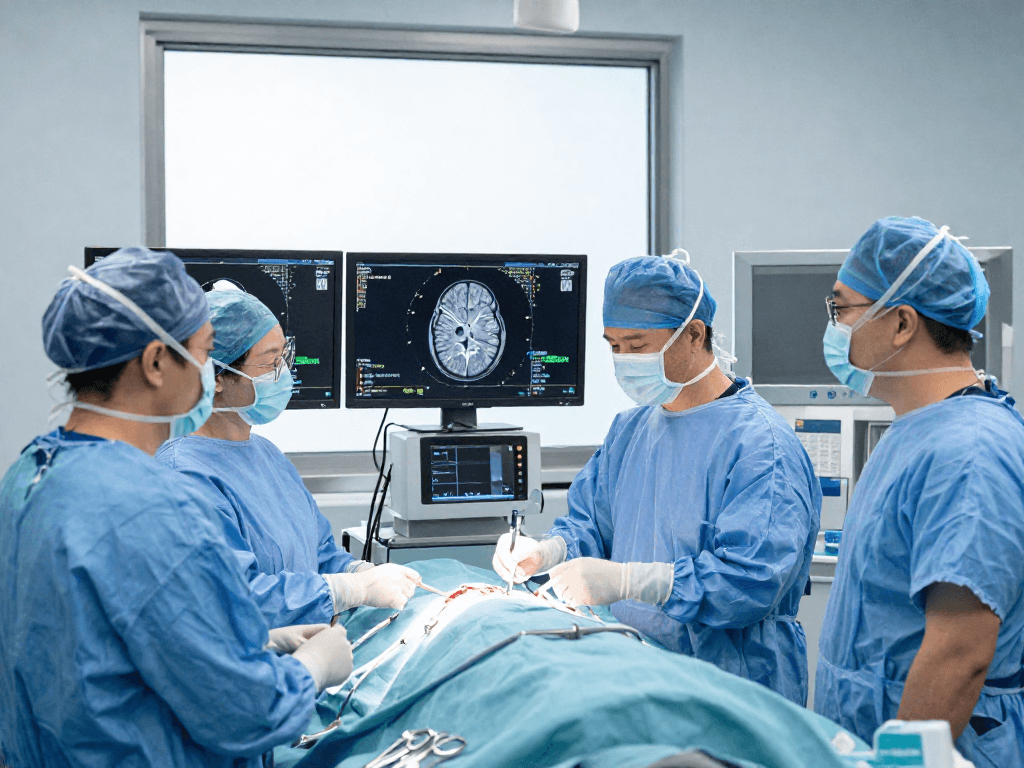
Brain tumor surgery is a medical procedure aimed at removing tumors from the brain. The tumors may range from benign meningiomas to aggressive glioblastomas. The primary goal of this surgery is to eliminate or reduce the size of the tumor while preserving the surrounding healthy brain tissue. Surgeons employ various techniques and tools, including advanced imaging technologies, to ensure maximum precision during the operation.
Types of Brain Tumors Treated
- Meningiomas: These are often benign tumors that develop from the meninges, the protective layers surrounding the brain.
- Gliomas: This includes a range of tumors arising from glial cells, including astrocytomas and oligodendrogliomas.
- Metastatic tumors: These are secondary tumors that have spread to the brain from other parts of the body, such as lung or breast cancer.
- Other Intracranial Masses: Various other types of tumors, both benign and malignant, may also require surgical intervention.
Key Stages of Beyin Tümörü Ameliyatı
Preoperative Preparation
Preoperative preparation is a vital step in brain tumor surgery. It involves comprehensive assessments, including imaging studies like MRI or CT scans to map the tumor's location and its relationship with surrounding structures. Additionally, the surgical team will discuss the procedure in detail with the patient, addressing any concerns and expectations.
Intraoperative Techniques
During the surgery, a variety of intraoperative techniques may be employed. For instance, craniotomy is used to access the tumor, where a section of the skull is temporarily removed. Advanced tools such as neuronavigation systems help the surgeon locate the tumor with precision. In certain cases, awake brain surgery may be performed, allowing the surgeon to interact with the patient to safeguard critical brain functions while excising the tumor.
Postoperative Care and Monitoring
Postoperative care is crucial for a successful recovery. Patients are typically monitored in a recovery room to observe neurological functions and detect any complications early. Follow-up imaging, often via MRI, is standard practice to assess the extent of tumor removal and monitor for any signs of recurrence.
Risks and Considerations During Surgery
Common Surgical Risks
As with any surgical procedure, brain tumor surgery carries risks. Potential complications include bleeding, infection, and adverse reactions to anesthesia. Additionally, there is a risk of neurological deficits, which may manifest as changes in cognitive function, speech, or motor skills.
Long-term Complications
Some patients may experience long-term effects following surgery, such as seizures or cognitive changes. These outcomes depend on various factors, including the tumor's type, location, and the extent of resection. Continuous follow-up and rehabilitation can help manage these complications effectively.
How to Minimize Risks
To minimize risks, a thorough preoperative evaluation is essential. This includes understanding the patient’s health history, conducting necessary tests, and ensuring that the surgical team is experienced in handling similar cases. Additionally, patients should be educated on the procedure and what to expect during recovery.
Comparing Treatment Options for Brain Tumors
Surgical vs. Non-Surgical Treatments
While surgery is often the primary treatment for brain tumors, non-surgical options such as radiation therapy and chemotherapy can also play significant roles, especially for patients who are not candidates for surgery due to the tumor's location or the patient's health status. Each treatment option comes with its own set of benefits and potential side effects, necessitating a personalized treatment plan.
Innovative Techniques: Gamma Knife vs. Traditional Surgery
The Gamma Knife is a form of stereotactic radiosurgery that targets tumors with high precision and minimal damage to surrounding tissue. Compared to traditional surgical methods, Gamma Knife treatment can often be done on an outpatient basis and may require no recovery time. However, not all tumors are suitable for this method, making it essential to discuss all available options with a healthcare provider.
Patient Outcomes: Pros and Cons
Each treatment option has its pros and cons. Surgical intervention often leads to immediate tumor reduction but may carry risks of complications and longer recovery times. In contrast, non-invasive treatments like Gamma Knife may be less risky but might not eliminate the tumor entirely. The choice of treatment should align with the patient's medical condition and overall treatment goals.
Future of Beyin Tümörü Ameliyatı: Trends and Innovations
Emerging Technologies in Neurosurgery
The field of neurosurgery is continuously evolving, with emerging technologies improving surgical outcomes. Innovations such as robotic-assisted surgery, enhanced imaging solutions, and artificial intelligence are enhancing precision in tumor resection and reducing recovery times.
Future Predictions for Brain Tumor Treatment
In the coming years, we expect to see further integration of personalized medicine in the treatment of brain tumors. Genetic profiling of tumors will allow for targeted therapies tailored to individual patients, leading to improved outcomes and reduced recurrence rates.
Patient-Centric Care in Neurosurgery
As the focus shifts towards patient-centric care, the incorporation of patient input regarding their treatment options and potential outcomes becomes paramount. Providing patients with comprehensive resources and support can empower them to make informed decisions about their care.
What Are the Signs Indicating Surgery Is Needed?
Common indicators for surgery include persistent headaches, neurological deficits, and imaging results that suggest significant tumor growth. A thorough evaluation by a neurosurgeon is essential to determine if surgery is necessary.
How Long Is the Recovery Process After Surgery?
The recovery process after brain tumor surgery typically varies depending on the extent of the surgery and the patient's health. Most patients may expect a hospital stay of several days, followed by a gradual return to normal activities over weeks to months.
What Should Patients Expect During Follow-up Visits?
Follow-up visits usually involve neurological assessments and imaging studies to monitor for any signs of tumor recurrence. These visits are critical in ensuring the long-term success of the treatment plan.
How Do Different Brain Tumor Types Affect Surgery Decisions?
The type of brain tumor plays a pivotal role in surgical decision-making. Factors such as tumor location, size, and histological type guide the surgical approach and anticipated outcomes.
What Are the Costs Associated with Beyin Tümörü Ameliyatı?
Costs for brain tumor surgery can vary significantly based on hospital type, the complexity of the surgery, and associated post-operative care. For more information, beyin tümörü ameliyatı offers valuable insights. Patients should consult with their healthcare providers and insurance companies to understand their financial responsibilities.