Understanding the Importance of Loyalty Programs
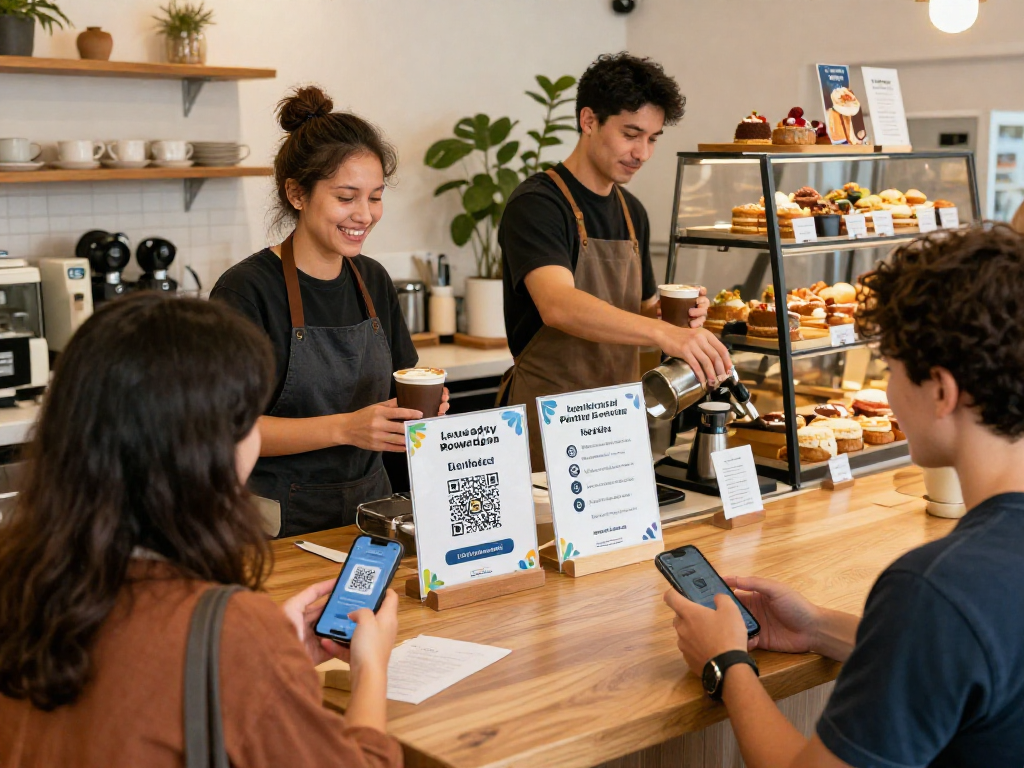
Loyalty programs have emerged as a crucial strategy for small businesses aiming to foster lasting relationships with their customers and enhance their revenue streams. A loyalty program is more than just a reward system; it's a way to engage customers, encourage repeat business, and build brand trust. With the advent of technology, digital solutions like the BonusQR loyalty application are transforming how small businesses can implement these programs efficiently. In today's competitive marketplace, leveraging such digital solutions can significantly affect how businesses retain their customer base. When exploring options, loyalty programs not only enhance customer satisfaction but also drive sales growth.
What Is a Loyalty Program?
A loyalty program is a structured marketing strategy designed to encourage customers to continue to shop at or use the services of a business associated with the program. These programs typically reward customers for repeat visits or purchases in various forms, such as points, discounts, or exclusive access to products. By creating a system where customers feel valued and rewarded for their repeat business, companies can enhance customer retention rates and encourage increased spending.
The Benefits of Building Customer Loyalty
- Increased Revenue: Loyal customers are likely to spend more, which directly boosts revenues. According to studies, repeat customers spend up to 67% more than new customers.
- Lower Marketing Costs: Attracting new customers can cost significantly more than retaining existing clients. Loyalty programs can mitigate these costs by fostering a dedicated customer base.
- Enhanced Customer Insights: Loyalty programs enable businesses to collect valuable data about customer preferences and behavior, allowing for tailored marketing strategies and improved service.
- Building Brand Advocacy: Satisfied, loyal customers are more likely to recommend your business to others, serving as advocates who can drive new customer acquisition through word-of-mouth.
Common Misconceptions About Loyalty Programs
Despite their proven effectiveness, there are several misconceptions regarding loyalty programs. Some business owners believe these initiatives are too costly or complex to implement. Others think that loyalty programs only benefit large corporations. However, with digital solutions like BonusQR, small businesses can create affordable, easy-to-manage loyalty systems that work effectively. Additionally, there are various types of loyalty programs available—ranging from simple stamp cards to sophisticated digital platforms that track customer engagement and facilitate personalized rewards.
Setting Up Your Loyalty Program
Launching a successful loyalty program involves several strategic steps. By following a structured approach, small businesses can ensure they design a program that meets their customers’ needs while enhancing business objectives.
Steps to Launching a Digital Loyalty Program
- Define Your Goals: Determine what you hope to achieve with your loyalty program, such as increasing frequency of visits, raising average transaction value, or growing your customer base.
- Understand Your Customers: Conduct surveys or utilize existing data to understand what rewards or incentives would motivate your customers to engage with your loyalty program.
- Select the Right Technology: Choose a digital loyalty platform that fits your business model. BonusQR offers a range of customizable features suitable for various industries.
- Create Compelling Rewards: Design a reward system that encourages repeat purchases, such as points for every transaction or perks for reaching specific spending thresholds.
- Promote Your Program: Use multiple channels—email, social media, and in-store promotions—to inform customers about the launch of your loyalty program.
- Monitor and Adjust: After implementation, continually track your loyalty program’s performance and gather customer feedback to make necessary adjustments.
Choosing the Right Platform for Your Needs
Selecting an appropriate loyalty program platform is crucial for its success. Consider factors such as user-friendliness, customer support, automation features, and the ability to gather analytics. A platform like BonusQR not only offers a straightforward set-up process but also provides unique tools that help analyze customer behavior, enabling businesses to refine their programs effectively.
Key Features to Include in Your Loyalty App
When developing a loyalty app, several features are essential to engage customers and drive participation effectively:
- User Registration: Allow customers to create personal accounts to track their rewards and usage history.
- Reward Tracking: Provide a dashboard for customers to view their earned points, available rewards, and redemption process clearly.
- Push Notifications: Use notifications to update customers on new rewards, special promotions, or important announcements to keep them engaged.
- Easy Redemption Process: Ensure that customers can redeem rewards quickly and seamlessly without hassle, enhancing their overall experience.
- Analytics Dashboard: For business owners, a built-in analytics feature helps track customer engagement, program success, and other vital metrics.
Innovative Strategies for Engaging Customers
To ensure your loyalty program remains relevant and exciting, it’s important to implement innovative engagement strategies. Consider employing techniques that capture your customers’ interest and encourage continued participation.
Gamification Techniques in Loyalty Programs
Integrating gamification into your loyalty program can make collecting rewards feel like a fun challenge rather than a chore. Techniques such as tiered rewards systems, achievement badges, and time-limited challenges encourage customers to engage more frequently and earn rewards faster. These interactive elements not only foster excitement but also create a sense of community among your customers.
Personalizing Customer Experiences
Personalization is key in today's consumer landscape. Use customer data to tailor communications and rewards to individual preferences. This can include sending birthday rewards, personalized offers based on previous purchases, or relevant seasonal promotions. A platform like BonusQR allows you to segment customers based on behavior or preferences, ensuring your loyalty initiatives resonate with each individual.
Utilizing Data Analytics for Enhanced Loyalty
Data analytics can provide invaluable insights into customer behavior and preferences. By analyzing engagement metrics, purchase patterns, and customer feedback, businesses can fine-tune their loyalty programs. This involves adapting rewards to match customer interests better, thus enhancing the effectiveness of the program overall.
Measuring Success: Metrics that Matter
Effective measurement of loyalty program success involves identifying key performance indicators (KPIs) that align with your business goals. This is essential to ensure your program is not just running but thriving.
Defining Key Performance Indicators (KPIs)
- Customer Retention Rate: Analyze how many customers continue to engage with your brand after joining the loyalty program.
- Average Transaction Value: Measure changes in spending habits among loyalty members compared to non-members.
- Program Engagement Rate: Track how often members participate in the loyalty program by redeeming rewards or responding to promotions.
- Customer Lifetime Value (CLV): Determine the total revenue generated from a customer throughout their relationship with your business.
Utilizing Customer Feedback Effectively
Customer feedback is a goldmine of information that can help shape your loyalty program. Actively solicit feedback from members on what they enjoy and what could be improved. Engaging customers in this way not only provides you with actionable data but can also strengthen their emotional connection to your brand.
Adjusting Strategies Based on Performance Metrics
Don't hesitate to adjust your loyalty program based on the performance metrics you gather. If certain rewards aren't enticing enough or if engagement is lacking, consider modifying your offerings or promotional strategies. Flexibility is key to maintaining an effective loyalty program that meets the evolving needs of your customers.
Looking Ahead: The Future of Loyalty Programs
As consumer preferences evolve, so too must loyalty programs. In 2026 and beyond, businesses need to stay ahead of trends to ensure their programs continue to engage and motivate customers.
Emerging Trends in Customer Loyalty for 2026
- Sustainability Focus: As consumers become more environmentally conscious, integrating sustainable practices into loyalty programs can be a major draw. Rewarding eco-friendly purchases or allowing points to be donated to environmental causes can enhance brand loyalty.
- Omni-Channel Experiences: Customers expect seamless experiences across various platforms. Loyalty programs should be accessible both online and in-store, allowing for a consistent experience regardless of where the interaction happens.
- Hyper-Personalization: Moving forward, brands will leverage AI and machine learning to achieve higher levels of personalization, tailoring offers and communications at an individual level more effectively than ever.
Adapting to Changing Customer Preferences
Understanding and responding to changing customer preferences will be crucial for keeping loyalty programs relevant. Regularly assess customer feedback and market trends to make informed adjustments to your offerings.
Predictions for Loyalty Programs Beyond 2026
As technology continues to advance, loyalty programs will likely incorporate more sophisticated tools, including augmented reality (AR) and virtual reality (VR) experiences. These tools can elevate customer engagement to an entirely new level, providing immersive experiences that go beyond traditional rewards systems.
What types of loyalty programs should I consider?
Consider implementing different types of loyalty programs that resonate with your customer base, such as points-based systems, tiered ranks, and cashback offers. Tailor the program structure to fit the nature of your business and your customer demographics.
How can I determine the right rewards for my customers?
Survey your customers about their preferences and analyze purchase data to identify what rewards would motivate them most. Create a mix of rewards that cater to various tastes and preferences—from discounts to exclusive experiences.
What are the best practices for promoting a new loyalty program?
Utilize all marketing channels to promote your loyalty program. This includes email newsletters, social media campaigns, and in-store signage. Highlight the benefits and rewards clearly to attract participation.
How do I integrate loyalty programs with my existing systems?
Ensure that your chosen loyalty program platform is compatible with your existing point-of-sale (POS) and customer relationship management (CRM) systems. This integration allows for a seamless user experience for both customers and staff.
What data do I need to collect for effective loyalty programs?
Collect data on customer purchases, engagement levels, and feedback. For more information, loyalty offers valuable insights. This information will help you tailor your rewards and promotional strategies effectively. Furthermore, ensure compliance with data protection regulations like GDPR when handling customer information.