What Are Wildfire Events?
Definition of Wildfire Events
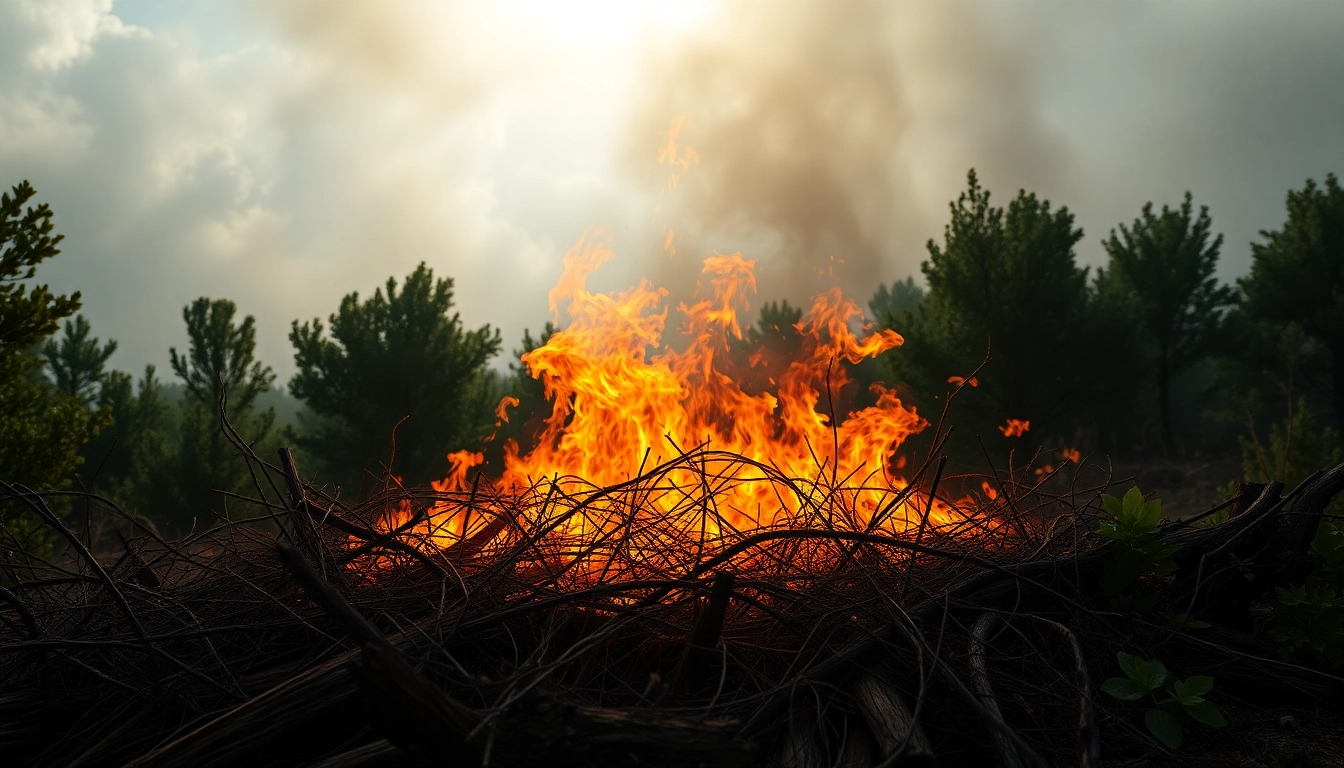
Wildfire events refer to uncontrolled fires that occur in natural areas such as forests, grasslands, and brush. These fires can spread rapidly, fueled by dry vegetation, high winds, and extreme temperatures. Understanding wildfire events is crucial, particularly in light of their increasing frequency and severity linked to climate change. By gaining insights into these phenomena, communities can better prepare for and respond to the challenges they pose. The importance of awareness cannot be overstated, especially for those living in or near at-risk areas. For more in-depth information, explore the Wildfire events community and learn about preventive measures and survival strategies.
Classification of Different Wildfire Events
Wildfire events can be classified in various ways based on their characteristics and causes. Here are some notable classifications:
- Surface Fires: These fires burn along the ground, consuming grasses, shrubs, and other low-lying vegetation. Surface fires are typically easier to manage compared to other types.
- Crown Fires: These fires spread rapidly through the tops of trees. Crown fires can devastate entire forests and are much more difficult to control.
- Ground Fires: These fires occur underground, often in peat or other organic materials. They can smolder for long periods and may resurface as surface fires later.
- Prescribed Fires: These are controlled fires set intentionally for land management purposes. They help reduce fuel loads, prevent larger wildfires, and maintain ecosystem health.
Natural and Human Causes of Wildfire Events
Wildfire events can be ignited by both natural and human factors. Natural causes include:
- Lightning: One of the most common natural causes of wildfires, particularly in remote areas.
- Drought: Extended periods of low precipitation can dry out vegetation, making it more susceptible to catching fire.
- Volcanic Activity: Though less common, eruptions can ignite surrounding vegetation, leading to wildfires.
Human activities also play a significant role in causing wildfires, whether intentional or unintentional:
- Campfires: Unattended or improperly extinguished campfires can lead to wildfires.
- Arson: Deliberate acts of ignition represent a substantial percentage of wildfire incidents.
- Equipment Use: Sparks from machinery or vehicles can ignite nearby dry vegetation.
- Cigarette Butts: Carelessly discarded cigarettes are a common ignition source.
Major Impacts of Wildfire Events
Environmental Consequences of Wildfire Events
The environmental consequences of wildfire events are profound and can affect ecosystems for years. Some of the critical impacts include:
- Habitat Destruction: Wildfires can obliterate the habitats of numerous species, leading to severe declines in biodiversity.
- Soil Erosion: Vegetation loss can lead to significant soil erosion, impairing land quality and water resources.
- Air Quality Deterioration: Smoke and particulate matter from wildfires can significantly degrade air quality, affecting both humans and wildlife.
- Carbon Emissions: Wildfires release large amounts of carbon dioxide into the atmosphere, contributing to climate change.
Health Risks Associated with Wildfire Events
The health risks posed by wildfire events are considerable, impacting communities both directly and indirectly. Key health risks include:
- Respiratory Problems: Exposure to smoke can aggravate pre-existing health conditions like asthma and lead to other respiratory issues.
- Heat-Related Illnesses: Wildfires often coincide with high temperatures, increasing the risk of heat exhaustion and heat stroke.
- Mental Health Effects: The stress of evacuation and loss can lead to increased anxiety, depression, and PTSD among affected individuals.
- Injury Risks: Evacuations and firefighting efforts pose injury risks to both the public and emergency responders.
Economic Impacts of Wildfire Events
The economic ramifications of wildfire events extend far beyond immediate firefighting costs. Key economic impacts include:
- Property Damage: The destruction of homes and infrastructure leads to high recovery costs.
- Insurance Claims: Increased claims can drive up premiums and affect the overall insurance market.
- Tourism Revenue Loss: Areas affected by wildfires often see a drop in tourism, impacting local businesses.
- Health Care Costs: Treating smoke-related illnesses and injuries can burden healthcare systems.
Preventive Measures Against Wildfire Events
Creating Defensible Space
Creating defensible space around properties is critical in preventing wildfires from spreading. Here are some strategies:
- Clear Vegetation: Keep flammable plants and debris at least 30 feet away from structures.
- Maintain a Safe Zone: Use fire-resistant landscaping, such as gravel mulch and low-water-use plants.
- Trim Trees: Keep tree branches trimmed and away from homes, ensuring there's a clear vertical distance.
- Enclose Open Spaces: Use fences and barriers to create a firebreak.
Community Preparation for Wildfire Events
Community engagement and preparation are integral to wildfire management:
- Develop Evacuation Plans: Communities should have clear evacuation routes and protocols to follow during a wildfire.
- Fire Drills: Conduct regular fire drills and community education on recognizing fire hazards.
- Collaboration with Authorities: Partner with local firefighting authorities for education and support.
Legislation and Policies for Wildfire Management
Effective legislation and policies are essential in managing wildfire risks. Key measures include:
- Building Codes: Enforce regulations requiring fire-resistant materials for homes in high-risk areas.
- Funding for Fire Services: Allocate adequate resources for firefighting and prevention services.
- Public Awareness Campaigns: Legislation supporting educational initiatives on fire prevention can mitigate risks.
Responding to Wildfire Events
Emergency Services and Wildfire Events
Effective emergency response is vital to managing wildfire events. This includes:
- Alert Systems: Implementing real-time alert systems to inform communities of fire risks.
- Coordination of Services: Ensuring all emergency services collaborate efficiently during an incident.
- Training Programs: Regular training for firefighters and first responders to enhance skills and preparedness.
Survival Tips During Wildfire Events
Knowledge of survival strategies can save lives during wildfire events:
- Follow Evacuation Orders: Always heed local officials’ instructions regarding evacuations.
- Prepare an Emergency Kit: Keep essential supplies, including water, food, medications, and a flashlight.
- Stay Informed: Use radio or mobile alerts to monitor the fire's status and changing conditions.
Post-Wildfire Recovery Strategies
Recovery after a wildfire is crucial, both for individuals and communities. Strategies include:
- Emotional Support Services: Offering mental health counseling for those affected helps in coping with losses.
- Rebuilding Efforts: Support for rebuilding homes and infrastructure ensures community resilience.
- Restoration Programs: Implement initiatives for restoring ecosystems affected by fires, such as replanting trees.
Future of Wildfire Events
Technological Innovations in Wildfire Management
The future of wildfire management is increasingly intertwined with technological advancements:
- Remote Sensing: Using satellite imagery provides real-time data on fire locations and spread.
- Predictive Modeling: Advanced algorithms predict fire behavior and inform firefighting strategies.
- Drones: Employing drones for surveillance and firefighting can enhance response efficiency.
Global Climate Change and Wildfire Events
Climate change significantly influences the frequency and intensity of wildfire events. Key considerations include:
- Increased Temperatures: Rising global temperatures lead to drier conditions and prolonged fire seasons.
- Extreme Weather Events: More intense storms and droughts can contribute directly to fire outbreaks.
- Shifts in Ecosystems: As ecosystems change, the areas at risk may also evolve, increasing wildfire susceptibility.
The Role of Public Awareness in Preventing Wildfire Events
Public awareness is paramount in wildfire prevention:
- Education Programs: Informative campaigns can educate communities on fire risks and prevention strategies.
- Community Engagement: Involving community members in firefighting efforts fosters collaboration and resilience.
- Prevention Initiatives: Local programs aimed at reducing flammable vegetation near homes can significantly lower wildfire risks.
Frequently Asked Questions
What causes wildfires?
Wildfires can be ignited by natural causes like lightning, as well as human activities such as campfires, arson, and discarded cigarettes.
How can I prepare for a wildfire?
Create defensible space around your home, have an emergency kit ready, and develop a family evacuation plan.
What should I do during a wildfire evacuation?
Leave immediately if instructed, follow evacuation routes, and stay informed through local alerts about the fire's status.
Are wildfires beneficial for the environment?
Wildfires can play a role in ecosystem health, promoting new growth and clearing dense underbrush, but uncontrolled fires can be devastating.
How can communities collaborate to prevent wildfires?
Communities can work together through education initiatives, coordinated planning, and engagement in local fire prevention programs.