Understanding the Different Types of Ice Makers
The availability of high-quality ice can significantly enhance your beverage experience, whether it’s for cocktails, soft drinks, or iced coffee. A reliable way to meet all your ice needs is by choosing the right ice maker. With various types on the market, it’s vital to understand their functions, benefits, and how they suit different lifestyles.
Portable Ice Maker Overview
Portable ice makers are designed for convenience. They can be easily moved from one place to another, making them ideal for gatherings, camping trips, or small kitchens. Most models are compact, lightweight, and feature simple plug-and-play operations, allowing users to produce ice in just a matter of minutes. Portable ice makers typically vary in ice production capacity, generally ranging from 26 to 28 pounds of ice daily, and can create ice cubes in various shapes and sizes.
Countertop Ice Maker Benefits
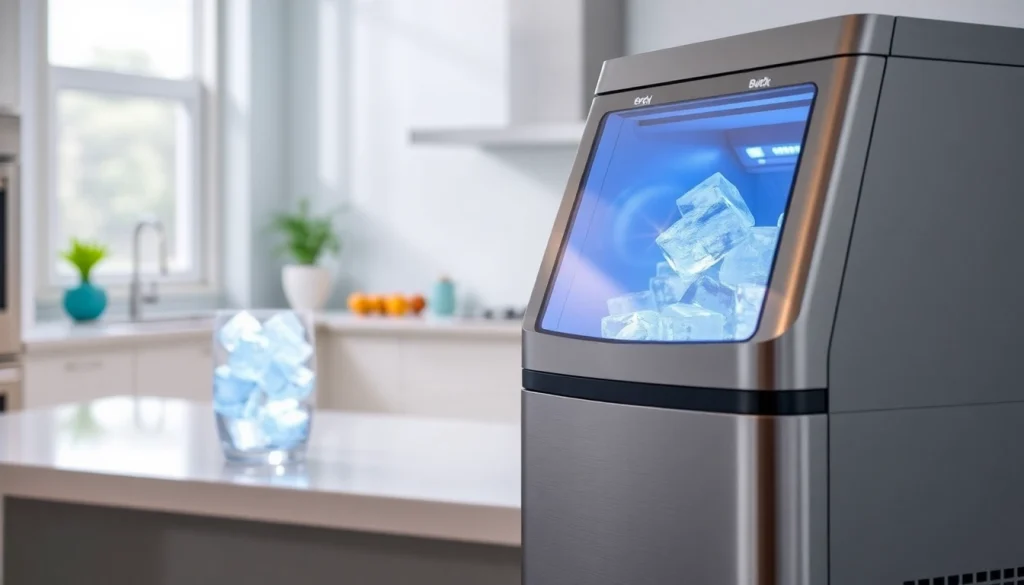
Countertop ice makers serve a middle ground between portability and capacity. They are ideal for home use, designed to sit on your counter while providing a consistent ice supply. Unlike their portable counterparts, they may offer more advanced functionalities, such as different ice sizes and faster production rates. Furthermore, they eliminate the need for bags of ice, ensuring fresh ice is always on hand for entertaining guests or daily usage.
Built-in Ice Maker Features
For those with dedicated space and a need for high-volume ice production, built-in ice makers are the go-to solution. These machines are installed within cabinetry and designed to supply large volumes of ice seamlessly and efficiently. Built-in ice makers come equipped with features like water filtration systems, customizable ice shapes, and automatic shut-off capabilities to enhance functionality and convenience. If space is not an issue, they can be integrated into your kitchen’s design, offering a sleek, streamlined aesthetic.
Key Features to Look for in an Ice Maker
When selecting the ideal ice maker, several key features must be considered to ensure it meets your personal needs and preferences.
Ice Production Capacity
The first aspect to consider is how much ice the machine can produce daily. Depending on your usage—whether for small gatherings or regular family use—look for units that can produce a sufficient amount of ice within a 24-hour period. Most portable units range from 26 to 38 pounds, while countertop options typically offer higher production rates. Assessing your ice consumption habits will guide your choice effectively.
Energy Efficiency Ratings
Energy efficiency is another critical factor. An energy-efficient model will not only help reduce utility bills but also contribute to environmental sustainability. Look for models with the Energy Star rating, which indicates that the machine meets or exceeds energy efficiency specifications set by the Environmental Protection Agency. Additional features to scrutinize include smart features that monitor usage and adjust energy consumption accordingly.
Size and Design Considerations
The physical size of the ice maker is particularly important if you have space constraints. Portable ice makers are compact and designed to fit easily on countertops or within limited spaces. Countertop and built-in options, on the other hand, require more room for installation, so ensure you take precise measurements of your available space. Moreover, consider the aesthetic appeal and design. Sleek stainless steel designs often blend well with modern kitchen decor.
Comparing Popular Ice Maker Brands
As you navigate the options available, it’s essential to compare several ice maker brands to identify top models delivering quality and reliability.
Top Features of Leading Models
While choosing an ice maker, the features it offers can be a deciding factor. Advanced models may include programmable settings, rapid ice production modes, noise-reduction technologies, and water filtration systems. Most brands prioritize user-friendly interfaces, hiding complicated settings behind simple buttons and LED displays for effortless operation. Always consider reviews and product demos that highlight these features in real-world scenarios.
Pricing and Value for Money
The price of ice makers can vary remarkably based on capacity and features. Budget-friendly options can start as low as $100 for portable variants, while high-capacity built-in models can elevate your expenses to well over $1,000. It’s crucial to assess your budget realistically while emphasizing the importance of long-term investment in quality. Cheaper models may save you money upfront but can have higher operating costs over time.
Customer Reviews and Feedback
Customer reviews offer valuable insights into real-world performance. A good product often gathers positive feedback regarding its durability, ease of use, and reliability. Take time to peruse reviews, both positive and negative, as this will provide a balanced view and help you avoid models with chronic issues. Engaging in discussion forums can also yield additional insights from other ice maker owners.
Maintaining Your Ice Maker for Longevity
Proper maintenance and care will ensure that your ice maker remains functional and efficient over a long lifespan. Follow these best practices to extend its longevity.
Regular Cleaning Procedures
Ice makers can collect minerals and impurities, primarily if you use tap water. Therefore, regular cleaning is essential. Most manufacturers recommend cleaning the internal components every 3–6 months using a mixture of water and vinegar or a specialized cleaning solution. Pay close attention to parts like the ice bin and water reservoir, as these areas can harbor bacteria if left uncleaned.
Common Troubleshooting Tips
From time to time, you might encounter issues with your ice maker, such as failure to produce ice or slow production rates. Ensure that it’s properly plugged in and check the water supply. If it’s still malfunctioning, refer to the manufacturer’s troubleshooting guide for specific instructions. Also, remember to keep the vents and filters clean to avoid airflow problems.
When to Seek Professional Help
While many issues can be resolved at home, some require the expertise of a professional. Continuous failure to produce ice, unusual noises, or electrical problems might indicate more significant issues that require repair. It’s advisable to consult customer support or a certified technician if your ice maker experiences persistent problems even after performing standard troubleshooting steps.
FAQs about Ice Makers
Is it worth buying an ice maker machine?
Purchasing an ice maker can be worth the investment, especially for families or those who frequently host. It provides a continuous supply of ice, eliminating trips to the store. Long-term savings on ice purchases further enhance its value.
How much ice can an ice maker produce daily?
The production capacity of ice makers varies widely. Portable units typically yield between 26 to 28 pounds of ice per day, while more advanced countertop or built-in models can produce up to 50 pounds or more, depending on the brand and model.
What type of ice does an ice maker produce?
Ice makers can produce various ice types, including bullet, cube, crushed, and nugget ice. Each serves different purposes, so select an ice maker that meets your specific needs regarding ice style.
How often should I clean my ice maker?
It’s generally recommended to clean your ice maker every 3 to 6 months to maintain optimal performance. Frequent cleaning can further enhance ice quality, especially if your water supply has high mineral content.
Can I use tap water in my ice maker?
Yes, you can use tap water in most ice makers. However, filtering the water can help eliminate impurities, leading to better ice quality and reduced buildup within the machine.