
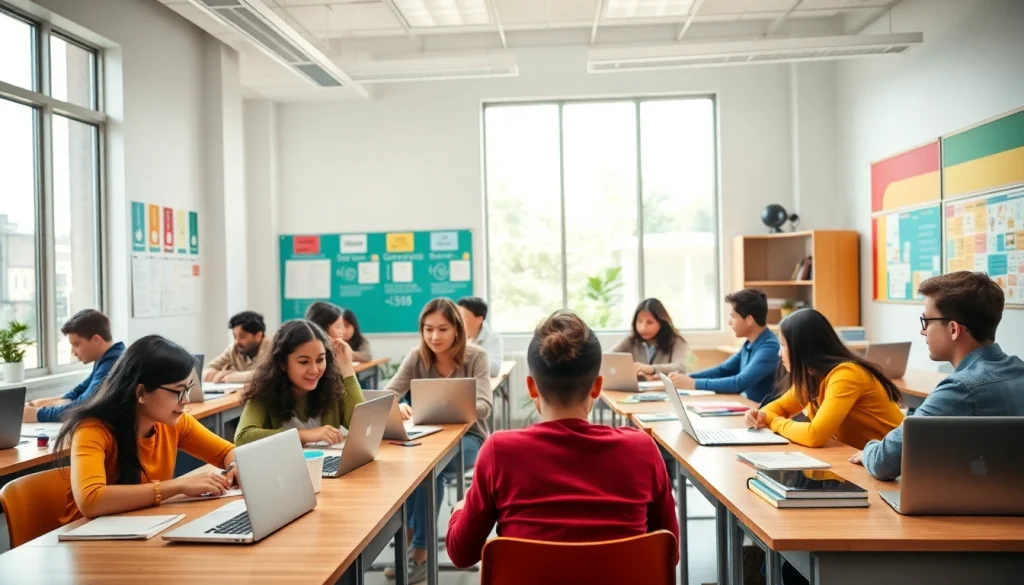
The Importance of Education in Today’s Society
Education is the cornerstone of society, shaping the trajectory of individuals and communities. Its significance goes beyond mere academics; it fosters critical thinking, instills values, and promotes social cohesion. Understanding the nuances of education is essential for grasping its profound impact on personal growth and societal advancement. An insightful resource to explore more about the transformative power of Education will offer a roadmap to navigate its multifaceted dimensions.
Understanding the Role of Education
At its core, education serves as a tool for knowledge dissemination and skill acquisition. It guides individuals through various stages of development, equipping them with the necessary tools to navigate the complexities of life. Furthermore, education plays a crucial role in shaping one’s worldview and values, impacting how individuals perceive their responsibilities within society. The emphasis on lifelong learning has become increasingly evident in today’s fast-paced world, underscoring the need for ongoing education throughout an individual’s life.
Education as a Driver for Equality
One of the most compelling roles of education is its ability to foster equality. Quality education provides equal opportunities for individuals, regardless of their socioeconomic background. Access to education empowers individuals by breaking the cycle of poverty and enabling them to build better futures for themselves and their families. Numerous studies have demonstrated that regions with higher education rates tend to enjoy lower crime rates, improved public health, and economic growth. The importance of educational equity cannot be understated, as it serves as the foundation for a just society.
How Education Shapes Future Generations
Education significantly influences future generations. It nurtures talent and creativity, allowing young minds to innovate and problem-solve. Educational institutions not only impart knowledge but also foster socialization, teaching crucial skills such as cooperation and communication. Moreover, education prepares students to be responsible citizens within their communities, equipping them with the awareness and competencies required to engage in societal challenges effectively. Such empowerment impacts future generations, ensuring a legacy of informed and engaged individuals who can contribute positively to society.
Types of Education: A Diverse Landscape
Formal Education: Structure and Purpose
Formal education is structured and regulated, typically taking place in schools and universities. This system follows a prescribed curriculum and leads to recognized qualifications such as diplomas and degrees. The primary purpose of formal education is to provide systematic knowledge in various fields, from the humanities to sciences. Students interact with trained educators who guide them through their learning. Furthermore, formal education serves benchmarks for assessing student performance and institutional accountability.
Informal Education: Learning Beyond the Classroom
Informal education encompasses learning that occurs outside formal institutions. This includes life experiences, social interactions, and community engagement. Informal education is often self-directed, with individuals seeking knowledge that fits their interests or needs. Such learning is critical in developing practical skills that may not be covered in traditional educational settings, such as everyday problem-solving, financial literacy, and emotional intelligence. The flexibility of informal education can foster curiosity and promote a love for learning.
Non-Formal Education: Bridging Gaps
Non-formal education provides structured learning opportunities outside the confines of traditional education systems. This can include vocational training, adult education programs, and community courses. Non-formal education is particularly valuable in addressing the specific needs of diverse populations, offering pathways for skills development that align with labor market demands. This mode of education plays a pivotal role in lifelong learning, catering to individuals seeking to enhance their skills or change career trajectories without pursuing formal degrees.
Innovative Educational Practices and Strategies
Integrating Technology in Education
The integration of technology in education has revolutionized traditional teaching methods. Digital tools, such as interactive software and online resources, facilitate dynamic learning experiences. Technology enables personalized education, allowing students to learn at their own pace. Additionally, it fosters collaboration through online platforms, bringing together diverse perspectives from across the globe. The rising trend of hybrid learning, combining in-person with online education, highlights the adaptability of educational practices, making learning more accessible than ever.
Collaborative Learning: Benefits and Techniques
Collaborative learning emphasizes group work and peer interaction, enriching the educational experience. This approach harnesses collective problem-solving and encourages critical thinking, equipping students with communication and teamwork skills essential for their future. Techniques such as group discussions, project-based learning, and peer tutoring facilitate active engagement and can lead to improved academic performance. Educators can implement collaborative strategies by fostering a supportive classroom environment that values diverse opinions and encourages participation.
Creative Approaches to Curriculum Development
Creative curriculum development involves adapting educational content to fit contemporary challenges and student interests. This can include integrating arts into science lessons or utilizing real-world scenarios to teach complex concepts. By making learning relevant and engaging, creative approaches can enhance student motivation and retention. Furthermore, involving students in curriculum decisions can empower them and promote ownership of their learning journeys, fostering a more vibrant educational experience.
Challenges Facing the Education System
Addressing Inequality in Education Access
Despite advances in education, significant disparities in access to quality education persist globally. Factors such as geographic location, socioeconomic status, and systemic biases contribute to these inequalities. Addressing these issues requires comprehensive policies that promote equal access to resources, funding, and opportunities. Effective strategies may include targeted interventions for disadvantaged communities, investment in infrastructure, and training programs for educators to better serve diverse student populations.
Adapting to Rapid Changes in Society
The rapid pace of societal change presents challenges for educational systems worldwide. From technological advancements to shifts in job market demands, educators must continuously adapt their strategies. Preparing students for an uncertain future requires a focus on critical thinking, creativity, and adaptability rather than rote memorization. Educational institutions should cultivate a culture of innovation that embraces change and encourages resilience among students and educators alike.
Overcoming Resistance to Educational Reform
Educational reform often faces resistance from various stakeholders, including educators, parents, and policymakers. Resistance can stem from fears of change, unfamiliarity with new methods, or a perceived threat to existing norms. To overcome this, it is essential to engage stakeholders in the reform process, fostering open dialogue and collaboration. Building consensus around the goals of educational reform and providing adequate training and resources can mitigate resistance and drive successful implementation.
Measuring Success in Education
Key Metrics for Educational Outcomes
Measuring educational success requires a multifaceted approach that goes beyond standardized test scores. Key metrics include graduation rates, student participation in extracurricular activities, and post-graduation employment statistics. These metrics provide a more comprehensive understanding of how well educational institutions are preparing students for the future. Moreover, qualitative assessments, such as student satisfaction surveys and alumni feedback, can provide valuable insights into the effectiveness of educational programs.
Assessing Student Engagement and Performance
Student engagement is a critical component of educational success. High levels of engagement correlate with improved retention and academic performance. Assessment tools, including observational rubrics, participation tracking, and formative assessments, can help educators gauge student engagement levels. By identifying and addressing disengagement, educators can implement strategies to rekindle interest and motivation, leading to more positive educational outcomes.
Using Data to Drive Educational Improvements
Data-driven decision-making is essential in education for identifying strengths and areas for improvement. Educators can leverage performance data, attendance records, and demographic information to inform teaching practices and resource allocation. Furthermore, continuous data analysis enables educational institutions to adapt proactively to emerging trends and challenges. Fostering a culture of data literacy among educators can enhance their ability to utilize data effectively, ultimately improving student outcomes.