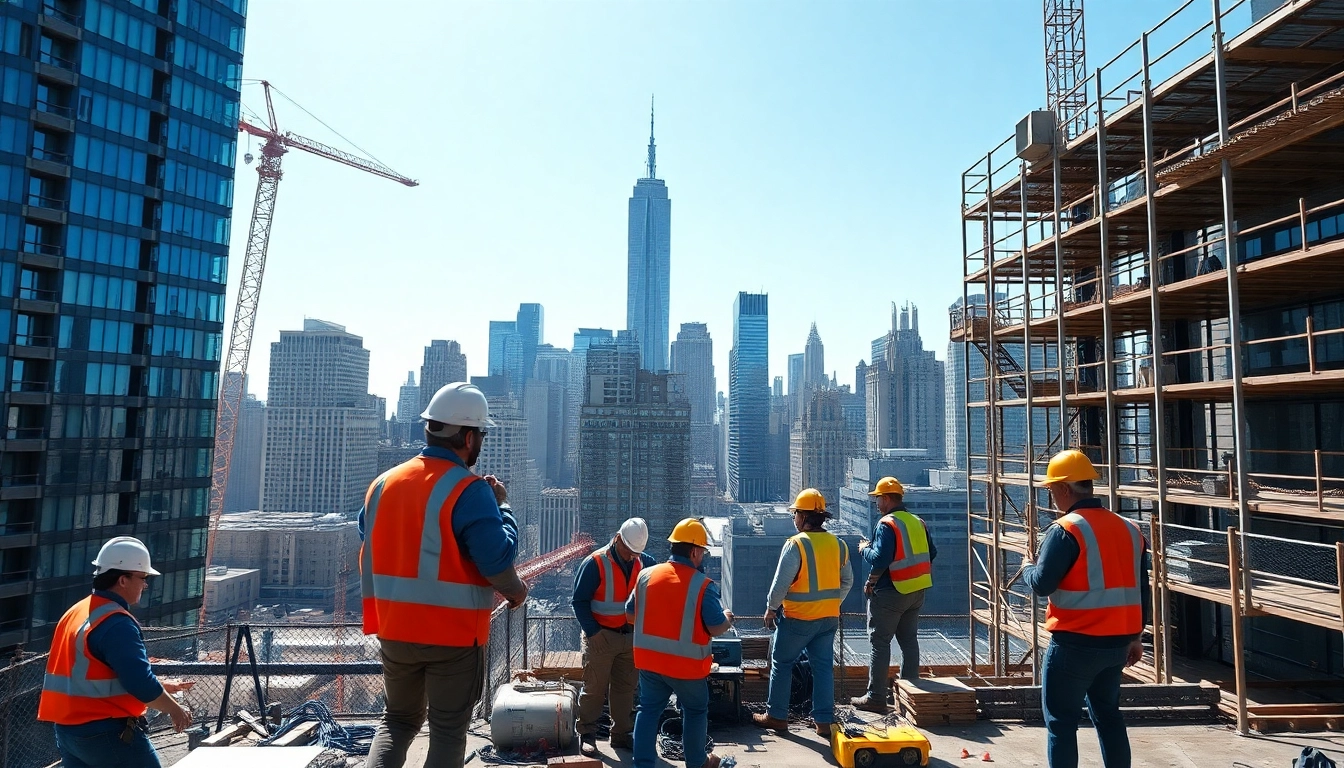
Understanding the Role of a New York General Contractor
Definition and Responsibilities
A New York General Contractor is a professional responsible for overseeing construction projects from inception to completion. This role encompasses a wide range of responsibilities, including obtaining permits, managing budgets, hiring subcontractors, and ensuring that the project adheres to local building codes and regulations. The general contractor acts as the primary point of contact between the client and various stakeholders, facilitating communication and problem-solving throughout the project lifecycle.
Importance in Construction Projects
The role of a New York General Contractor is crucial in efficiently executing construction projects. They ensure that the project is completed on time, within budget, and to the required quality standards. A skilled general contractor not only brings technical expertise but also serves as a project manager, coordinating different teams and keeping the project on track. Their experience in navigating New York’s unique regulatory environment further underscores their value in achieving project success.
Skills and Qualities to Look For
When selecting a New York General Contractor, it’s essential to look for individuals with specific skills and qualities. Key factors to consider include:
- Experience: Look for contractors with a proven track record in similar projects.
- Communication: Effective communication skills are vital for collaboration and conflict resolution.
- Problem-solving: The ability to address unforeseen challenges quickly is crucial.
- Leadership: A strong leader inspires and manages working teams effectively.
- Knowledge of Regulations: Familiarity with local building codes and zoning laws is a must.
How to Find a Trusted New York General Contractor
Research and Referrals
Finding a reputable New York General Contractor often starts with thorough research. Discussing your project with friends, family, or colleagues who have undertaken similar endeavors can yield valuable recommendations. Referrals from real estate professionals or architects can also be beneficial, as they often work closely with general contractors and can provide insights into their reliability and expertise.
Utilizing Online Resources
Leverage online platforms to expand your search for a New York General Contractor. Websites such as Houzz and Yelp allow users to explore reviews and ratings from previous clients. These resources can provide insights into the contractor's work quality and client satisfaction. Additionally, browsing contractors' own websites can offer a glimpse into their portfolio and services. For specific queries related to general contractors in New York, resources such as New York General Contractor directories or forums can be particularly useful.
Interviewing Potential Candidates
After shortlisting potential candidates, arrange interviews to assess their qualifications and fit for your project. Prepare a list of questions that cover their experience, subcontractor networks, and their approach to project management. Additionally, inquire about past projects to gauge their capability in handling your specific requirements. Effective interviewing can reveal not only the contractor’s skills but also their communication style and project philosophy.
Key Questions to Ask Your New York General Contractor
Licensing and Insurance Verification
Before hiring a New York General Contractor, ensure they possess the necessary licenses and insurance. Ask for documentation that verifies their credentials and inquire about their liability insurance coverage and workers' compensation. This step is critical to protect yourself from potential liabilities related to accidents or damage during the project. Validating these elements establishes a foundation of trust in their professional capability.
Project Timeline and Management Strategies
Establishing a clear understanding of the project timeline and management strategies is vital. Discuss milestones, deadlines, and how the contractor plans to manage any delays or changes. A well-defined timeline helps set expectations and can serve as a framework for accountability. Inquire about their communication practices and reporting mechanisms to stay updated on project progress.
Budgeting and Cost Estimates
Cost transparency is essential when working with a New York General Contractor. Request a detailed estimate of project costs and discuss how they plan to manage budget constraints. Ask how they handle unforeseen expenses and changes in scope. A reputable contractor should provide clear explanations for their pricing structure and include all potential costs, helping to avoid misunderstandings later on.
Common Challenges Faced by New York General Contractors
Adapting to City Regulations
New York City has a complex set of regulations governing construction projects. General contractors must navigate zoning laws, building codes, and permit processes, making adaptability a critical skill. They need to stay informed about any updates or changes to regulations to ensure compliance and avoid project delays. This expertise is essential in mitigating risks associated with regulatory challenges.
Weather Influences on Construction Timelines
The unpredictable weather in New York City can significantly impact construction schedules. General contractors must account for potential weather-related delays and develop contingency plans. Effective scheduling includes flexibility and proactive strategies to address rain, snow, or extreme temperatures that may impede progress.
Dealing with Material Shortages
Material shortages can pose a considerable challenge in the construction industry, and New York is no exception. General contractors must establish reliable supply chains, source materials promptly, and anticipate potential shortages. Building strong relationships with suppliers and alternative sourcing strategies can help mitigate these risks and ensure project continuity.
Evaluating the Performance of Your New York General Contractor
Setting and Measuring Success Metrics
To evaluate the performance of your New York General Contractor, establish clear success metrics from the outset. These could include project completion timelines, budget adherence, and quality of workmanship. Setting measurable objectives allows for a clearer assessment of the contractor's performance throughout the project lifecycle.
Client Feedback and Testimonials
Gathering feedback from previous clients can provide valuable insights into a contractor's reputation and reliability. Look for testimonials and case studies that highlight their work. Positive reviews, particularly regarding communication, problem-solving, and project management, will give you confidence in their capabilities.
Post-Project Evaluation
At the conclusion of a project, conduct a thorough evaluation of the contractor's performance. Discuss how well they met project objectives, their effectiveness in communication, handling challenges, and overall satisfaction with the final results. This evaluation not only informs future collaborations but also contributes to the contractor’s learning and growth.
Frequently Asked Questions
Does New York require a general contractor license?
In New York, a general contractor license is not mandated at the state level. Licensing varies at the county and city levels, so it’s essential to check local regulations.
How do I find a reliable general contractor in NYC?
Start by seeking referrals from friends or professionals, and utilize online resources for reviews and ratings. Interviews can further help assess reliability.
What is the typical cost range for hiring a general contractor?
Contractor fees usually range from 10% to 20% of the total construction costs. Smaller projects may incur hourly rates ranging from $50 to $150.
How long does it take to become a general contractor in New York?
Becoming a general contractor typically requires 3–7 years of experience or education related to construction management. Timeframes vary based on the path you take.
What should I include in a construction contract?
Your construction contract should encompass project scope, duration, payment structure, and details on permits and insurance. Clarity helps prevent disputes.