Understanding Electric Chain Hoist Cranes
Electric chain hoist cranes represent a critical advancement in industrial lifting technology, combining efficiency, safety, and convenience. These devices utilize an electric motor to lift heavy loads, reducing the physical effort required by operators. As industries evolve, understanding the underlying mechanics and advantages of electric chain hoist cranes becomes increasingly important for optimizing productivity and safety in work environments. When exploring options, electric chain hoist crane systems provide comprehensive insights into modern lifting solutions.
What is an Electric Chain Hoist Crane?
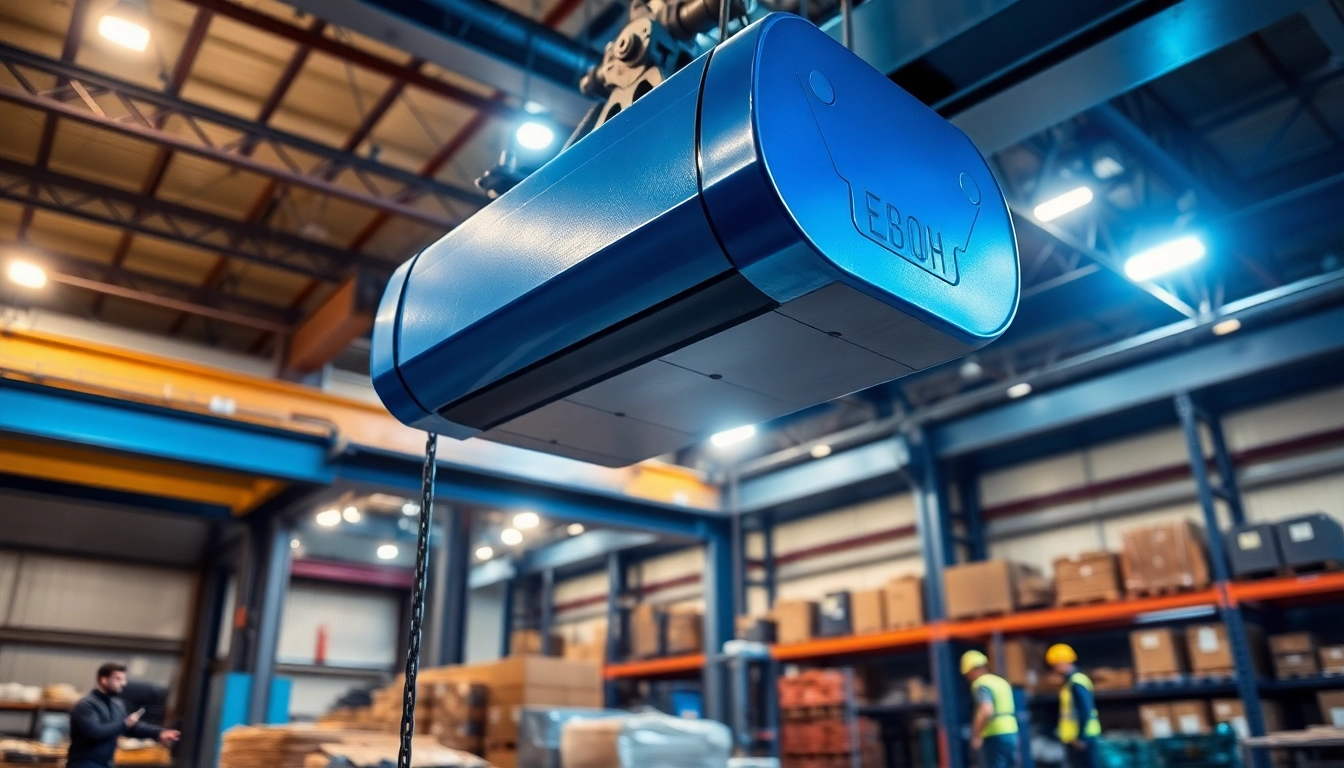
An electric chain hoist crane is a type of lifting device that employs an electric motor to move loads vertically and horizontally. Unlike traditional manual hoists, electric chain hoists dramatically decrease the physical exertion required from the operator, making them ideal for frequent lifting operations. These cranes are commonly used in warehouses, construction sites, factories, and various other industrial settings where heavy lifting is routine.
Key Components and Mechanisms of Electric Chain Hoists
The fundamental components of an electric chain hoist crane include:
- Motor: The heart of the hoist, responsible for powering the lifting mechanism.
- Chain: A durable link that connects the load to the lifting mechanism.
- Hook: A secure attachment point for the load being lifted.
- Gearbox: Converts motor power into lifting force, allowing for controlled movement.
- Control System: Provides operators with the ability to lift, lower, and control the hoist from a distance.
These components work together seamlessly to enhance lifting efficiency and safety during operations.
Advantages Over Manual Hoisting Systems
Electric chain hoists offer numerous advantages compared to their manual counterparts:
- Increased Efficiency: Electric hoists can lift heavier loads more quickly, improving turnaround time in industrial operations.
- Reduced Physical Strain: Operators no longer need to exert significant physical effort, minimizing the risk of musculoskeletal injuries.
- Enhanced Precision: Electric chain hoists allow for more precise load positioning, essential in tasks requiring accuracy.
- Improved Safety: Advanced safety features in electric hoists help prevent accidents and equipment damage.
Choosing the Right Electric Chain Hoist Crane
Factors to Consider When Selecting a Crane
Selecting the right electric chain hoist crane requires careful evaluation of several critical factors:
- Load Capacity: Ensure that the hoist can handle the maximum load you expect to lift.
- Lift Height: Consider the vertical distance the hoist needs to operate within.
- Power Source: Determine if you need a single-phase or three-phase power supply based on your operational requirements.
- Environment: Assess the operating environment to identify any special requirements for dust, humidity, or temperature control.
Capacity and Load Requirements Explained
Electric chain hoists come in various capacities, ranging from light-duty options suitable for smaller workshops to heavy-duty units designed for industrial applications. Understanding load requirements is essential:
- 1/2 Ton to 2 Ton: Common in small to medium industries for lifting equipment and materials.
- 3 Ton to 5 Ton: Typically used in manufacturing and construction for heavier loads.
- Above 5 Ton: Heavy-duty electric chain hoists designed for specialized applications such as steel mills and shipping yards.
Safety Features of Electric Chain Hoist Cranes
Safety is paramount in lifting operations. Electric chain hoists incorporate several safety features to enhance operator and load protection:
- Overload Protection: Prevents lifting beyond the hoist's rated capacity.
- Emergency Stop: Quickly halts operations in case of an emergency.
- Limit Switches: Automatically stops the hoist at predefined lifting heights.
- Anti-Twist Mechanisms: Ensure that the chain does not become twisted during operation.
Installation and Maintenance Best Practices
Step-by-Step Installation Guide for Electric Chain Hoists
Correct installation is vital for optimal performance and safety. Follow these steps when installing an electric chain hoist:
- Site Assessment: Evaluate the installation site for space, power supply, and structural integrity.
- Mounting: Securely mount the hoist to a robust beam or frame following the manufacturer's guidelines.
- Electrical Connections: Connect the power supply, ensuring compliance with local electrical codes.
- Control Setup: Install and test the control system for proper operation.
- Load Testing: Conduct load tests to verify performance before full-scale operations.
Routine Maintenance Tips for Longevity
Regular maintenance can extend the lifespan of your electric chain hoist and ensure safe operation:
- Daily Checks: Inspect the chain and hook for wear or damage before use.
- Lubrication: Regularly lubricate moving parts to reduce wear and increase efficiency.
- Electrical Inspections: Check electrical components for signs of wear or malfunction.
- Annual Servicing: Schedule a professional inspection at least once a year for comprehensive assessment.
Common Issues and Troubleshooting Techniques
Being familiar with common issues can help troubleshoot problems effectively:
- Hoist Not Lifting: Check the power supply and ensure that the overload protection is not triggered.
- Strange Noises: Investigate unusual sounds that may indicate mechanical failure or lack of lubrication.
- Uneven Lifting: Examine the chain for twists or jams that may affect operation.
Real-World Applications of Electric Chain Hoist Cranes
Case Studies: Industries Utilizing Electric Chain Hoists
Electric chain hoists find widespread application across various sectors:
- Manufacturing: Used to lift heavy machinery and materials during production lines.
- Construction: Essential for moving construction materials and equipment on-site.
- Maritime: Employed in shipyards for handling heavy loads like engines and hulls.
Innovative Uses in Construction and Manufacturing
Beyond traditional applications, electric chain hoists are increasingly utilized in innovative ways:
- Prefabricated Construction: Facilitating the lifting of pre-constructed panels.
- Robotics: Integrating with automated systems for precise component placement.
The Role of Technology in Modern Hoisting Solutions
Technological advancements are reshaping electric chain hoisting operations. Smart hoists equipped with IoT capabilities allow for real-time monitoring and predictive maintenance, enhancing efficiency and reducing downtime.
Future Trends in Electric Chain Hoisting Technology
Emerging Technologies and Innovations for 2025
As we look towards the future, several trends are poised to impact electric chain hoists:
- Automation: Increased integration with automated systems for enhanced operational efficiency.
- Smart Sensors: Implementation of sensors to provide real-time data on load weight and hoist status.
- Energy Efficiency: Development of more energy-efficient motors and systems.
Sustainability Practices in Hoisting Operations
With growing environmental consciousness, companies are moving towards sustainable practices in hoisting operations. Efforts include using materials with a lower environmental impact and implementing recycling programs for older hoists.
Predictions for the Next Decade in Heavy Lifting
The next decade will likely see a shift towards more intelligent systems and environmentally friendly operations, making electric chain hoist cranes not only more efficient but also safer and more sustainable. As technology continues to advance, the reliance on these tools will only increase, driving innovation in how we lift and handle heavy loads across industries.