Understanding Commercial Roofing Services
Definition and Importance
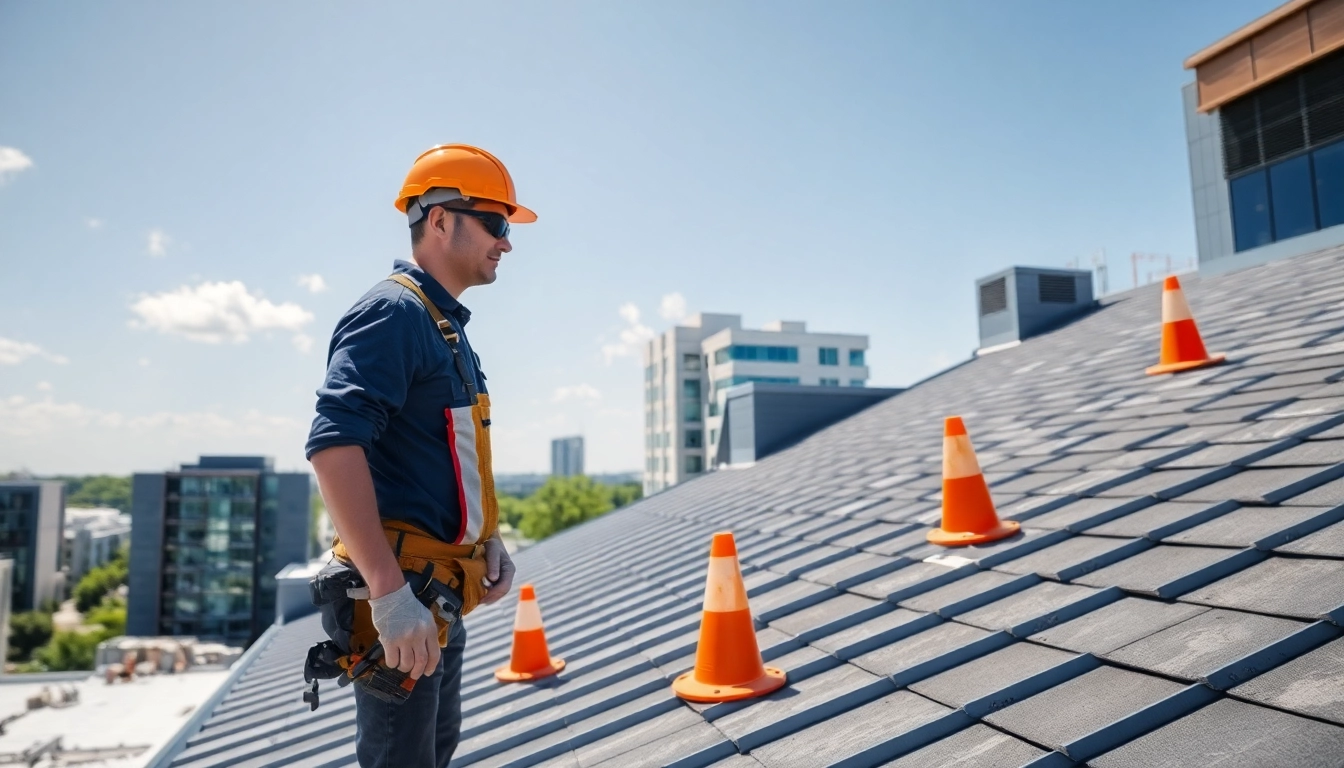
Commercial roofing services refer to specialized solutions designed for the rooftops of commercial structures such as office buildings, warehouses, retail outlets, and manufacturing facilities. Unlike residential roofing, which often focuses on aesthetic appeal and smaller scale projects, commercial roofing encompasses larger projects that require durability, safety, and compliance with specific regulations.
The importance of these services cannot be overstated. A commercial roof serves as the first line of defense against various environmental elements such as rain, snow, hail, and UV rays. A well-installed and maintained roof not only protects the building itself but also ensures employee safety, enhances energy efficiency, and supports the overall aesthetic of the property. Moreover, professional commercial roofing services are crucial to ensuring that the roofing structure meets local codes and standards, which can prevent costly repairs and liability issues over time.
Types of Commercial Roofing Services
Commercial roofing services can be broadly categorized into several types, based on their function and materials used. Understanding these options allows business owners to make informed decisions based on their specific needs.
- Roof Installation: This includes new installations of roofs on both new structures and existing buildings.
- Roof Repair: Professional services to address leaks, cracks, and other damage to extend the life of the current roofing system.
- Roof Maintenance: Routine inspections and maintenance work designed to prevent future issues and maintain the integrity of the roof.
- Roof Replacement: Complete removal and replacement of an existing roof when it no longer meets safety standards or has outlived its lifespan.
- Emergency Services: Immediate repairs following severe weather events or other unforeseen damages to protect the building and its occupants.
Common Commercial Roofing Materials
Flat Roofing Solutions
Flat roofs are common in commercial settings due to their ease of installation and maintenance. These roofs typically use materials such as TPO (Thermoplastic Olefin), EPDM (Ethylene Propylene Diene Monomer), or modified bitumen. Each of these materials offers unique advantages. For instance, TPO is well-regarded for its energy efficiency, while EPDM is known for its durability and cost-effectiveness.
The choice between these materials often depends on factors such as climate, building design, and budget. Flat roofs also require special considerations for drainage, ensuring that water does not accumulate and lead to leaks or structural damage.
Metal Roofing Applications
Metal roofing has gained immense popularity due to its longevity, durability, and resistance to harsh weather conditions. Available in materials like aluminum, steel, and copper, metal roofs can offer significant energy savings and require less maintenance compared to other types.
The versatility of metal roofing extends beyond its functional benefits; it also comes in various styles and colors, allowing businesses to tailor their rooftops to fit branding and aesthetic preferences. Nevertheless, proper installation and maintenance are crucial to maximizing the lifespan and performance of metal roofs.
Choosing Material Based on Climate
Understanding the local climate is vital when selecting roofing materials. Different materials respond uniquely to various weather conditions. For example, areas prone to heavy snowfall may benefit from standing seam metal roofs, which prevent snow accumulation. Conversely, hot climates might see advantages from reflective roofing materials like TPO and PVC, which reduce energy consumption by reflecting sunlight.
Moreover, considering local building codes and industry regulations is essential when determining the right material for both performance and compliance reasons. Working with experienced roofing professionals can provide insights into the best options tailored to local conditions.
The Importance of Regular Maintenance
Benefits of Preventative Maintenance
Routine maintenance extends the lifespan of a commercial roof and saves significant money in the long run by preventing minor issues from escalating into major repairs. Preventative maintenance strategies may include regular inspections, cleaning gutters and drains, and repairing minor leaks.
By investing in regular maintenance, businesses enhance their roof's performance, reduce energy costs through improved insulation, and maintain compliance with safety regulations. This proactive approach decreases the chances of unexpected expenses from emergency repairs, offering peace of mind to business owners.
Signs Your Roof Needs Attention
Identifying when a roof needs repairs or maintenance is crucial for maintaining its integrity. Some telltale signs include:
- Visible water stains on ceilings and walls
- Pooling water on the roof surface
- Cracks, blistering, or curling of roofing materials
- Obvious damage after severe weather events
- Increased energy bills, signaling poor insulation
Creating a Maintenance Schedule
Developing a well-structured maintenance schedule is essential for ensuring the long-term health of a commercial roofing system. An effective plan should include:
- Regular inspections (ideally bi-annually or after major weather events)
- Documenting the condition of the roof and any repairs made
- Cleaning debris from the roof and drains to prevent clogging
- Assessing the condition of flashing and seals around joints and penetrations
By adhering to a proactive maintenance schedule, businesses can identify potential issues early and address them before they lead to extensive damage and costly repairs.
Cost Factors in Commercial Roofing Services
Estimating Installation Costs
Estimating the costs of commercial roofing installation involves various factors, including material choice, roof size, complexity of the design, and labor costs. Each roofing material comes with its unique price point. For instance, metal roofs typically have a higher upfront cost but offer longer longevity when compared to asphalt roofing.
Other cost considerations may include removing the old roof (if applicable), additional insulation requirements, and any specialized features such as skylights or ventilation systems. Engaging with a reputable contractor for a detailed estimate ensures transparency in the budgeting process.
Understanding Long-term Expenses
When calculating the total cost of ownership of a commercial roof, it's essential to consider long-term expenses. These may include maintenance costs, anticipated repairs, and energy expenses.
Business owners should weigh the initial investment against potential savings over time. For example, higher-quality materials may have a steeper initial price but lead to lower energy costs and maintenance needs in the future. Regular upkeep also plays a significant role in mitigating long-term expenses by preventing larger issues that require extensive repairs.
Financing Options for Businesses
The costs associated with commercial roofing can be substantial, leading many business owners to explore financing options. Various choices include leasing, traditional bank loans, and financing through roofing contractors. Each option has distinct benefits and potential drawbacks that should be carefully evaluated.
Exploring local and federal incentives for energy-efficient roofing systems can also provide additional financial relief. Business owners willing to invest in sustainable roofing solutions may find that some financing options come with rebates or tax credits, further easing the cost burden.
Emerging Trends in Commercial Roofing
Sustainable Roofing Practices
With increasing awareness surrounding environmental issues, sustainable roofing practices are becoming a popular choice among businesses. This trend includes the use of environmentally friendly materials, such as recycled sources, and technologies that improve energy efficiency, such as green roofs or solar panel installations.
Implementing sustainable roofing not only reduces a building's carbon footprint but can also lead to cost savings on utilities and even potential tax benefits. Additionally, businesses are increasingly aware that green certifications can enhance their public image and appeal to eco-conscious consumers.
Technological Innovations in Roofing
Advancements in roofing technology are reshaping the landscape of commercial roofing services. From drone technology used for inspections to the development of smart roofing systems that monitor temperature and leaks, these innovations improve accuracy and efficiency in both maintenance and installation processes.
Furthermore, the integration of cool roofing technologies, which reflect sunlight and reduce thermal load, can significantly lower cooling costs for businesses in warmer climates. As technology continues to evolve, staying updated on the latest tools and materials can greatly benefit commercial properties.
Future of Commercial Roofing Services
The future of commercial roofing services looks promising, driven by sustainability and technological advancements. As building codes evolve to support greener practices, businesses will increasingly adopt innovative solutions that enhance performance and protect the environment.
Moreover, as data analytics gain traction within the construction industry, roofing contractors are likely to leverage data-driven insights for better decision-making and resource allocation. With the continuous evolution of material science, we can expect to see new options emerge that further improve the efficiency and durability of commercial roofs.
In conclusion, understanding the dynamics of commercial roofing services is essential for safeguarding the investment in your business's infrastructure. From selecting the right materials to implementing a proactive maintenance strategy, every aspect of commercial roofing plays a significant role in long-term success. By investing in professional services and aligning with emerging trends, businesses can stay ahead of the curve while ensuring their operations remain secure and sustainable.