
Brita vs Pur: Which water filter truly delivers cleaner water?
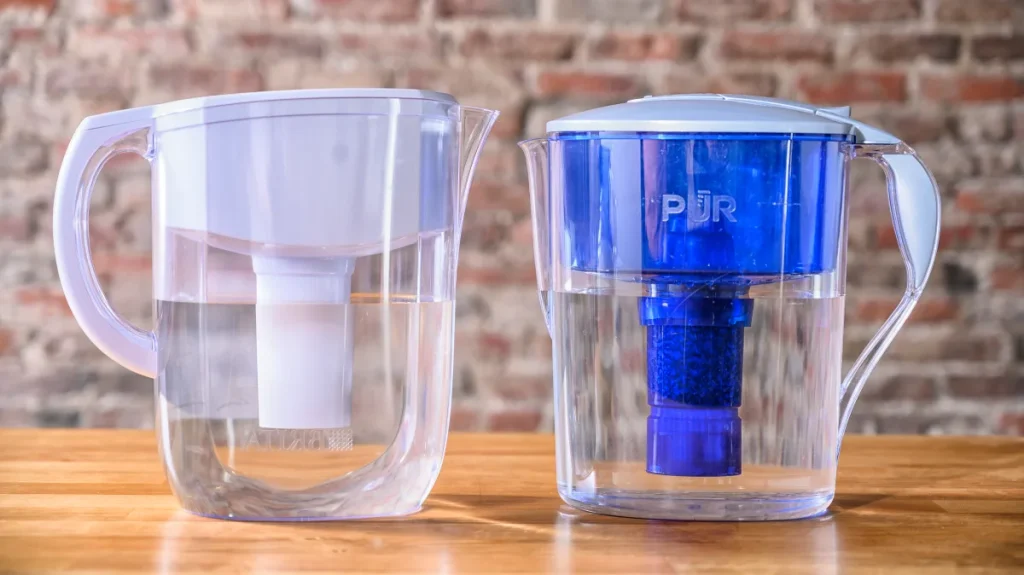
Water is essential for life, and the quality of the water we drink has a direct impact on our health. Many households rely on water filter pitchers to remove impurities and improve taste. Among the most popular options are Brita and PUR, two brands that often dominate the conversation in the water filtration market. But which one truly delivers cleaner water, better taste, and long-term value? In this article, we dive deep into the brita vs pur debate, examining filter performance, health benefits, cost, and user experience.
Understanding how water filters work
Before deciding between Brita and PUR, it’s important to understand how water filters operate. Both brands primarily use activated carbon, but there are differences in their filtration technology:
- Brita filters: These focus on improving taste and odor by reducing chlorine. They retain beneficial minerals like calcium and magnesium, which can contribute to water’s natural flavor.
- PUR filters: PUR uses activated carbon along with an ion exchange resin. This allows PUR to remove more contaminants, including heavy metals like lead and mercury, and reduce minerals like calcium and magnesium.
Think of it this way: Brita preserves the “good” taste of water, while PUR aggressively targets contaminants for a purer chemical profile.
Contaminant removal: Who comes out on top?
One of the biggest factors in the Brita vs Pur comparison is how well each filter removes contaminants.
- PUR advantages:
- Removes up to 99% of lead from tap water
- Reduces mercury, cadmium, and other heavy metals
- Decreases chlorine taste and odor
- Uses ion exchange resin to reduce water hardness
- Brita advantages:
- Reduces chlorine, improving taste and smell
- Removes some copper, mercury, and cadmium
- Retains essential minerals like calcium and magnesium, beneficial for health
In practical terms, if you live in an area with high lead or heavy metal contamination, PUR filters may be safer. On the other hand, if taste and mineral retention are priorities, Brita often wins.
Filter life and maintenance: Convenience matters
Another factor in the Brita vs Pur debate is filter longevity and ease of use.
- Brita: Typically lasts about 40 gallons or 2 months for standard pitchers. Replacement filters are affordable and widely available.
- PUR: Filter life ranges from 30 to 40 gallons, but replacement cartridges are generally more expensive.
For busy households, longer filter life and lower replacement cost can make Brita a more practical choice.
Taste test: What consumers really say
Taste is subjective, but many users report noticeable differences:
- Brita’s filtered water often tastes slightly sweeter and smoother because it preserves minerals.
- PUR’s filtered water can taste “flat” to some due to the reduction of minerals, though it feels cleaner chemically.
A real-life example: A family in Denver switched from Brita to PUR because their local water had higher lead content. While the water felt purer, their children preferred the taste of Brita’s water for drinking and making juice.
Pricing and long-term cost
Cost is always a factor when comparing Brita vs Pur:
- Initial pitcher price: Brita pitchers are generally more affordable than PUR.
- Filter replacement cost: Brita replacement filters cost less and last slightly longer.
- Long-term value: While PUR provides more thorough contaminant removal, the higher ongoing cost may not justify the difference for all users.
Environmental considerations
Both Brita and PUR offer recycling programs for used filters, but Brita tends to have a wider and more established system in place. For environmentally-conscious consumers, filter recycling options may influence the choice.
Ease of use and design
- Brita pitchers are lightweight, simple to use, and come in various sizes to fit most fridge doors.
- PUR pitchers are slightly bulkier but often feature LED filter life indicators and more advanced spout designs.
Both brands aim to make water filtration convenient, but Brita’s simplicity is ideal for students and families.
Health perspective: Minerals and safety
Maintaining beneficial minerals like calcium and magnesium is important for bone health and overall hydration. Brita allows these minerals to remain in your water, while PUR reduces them.
Think of it like eating whole fruits versus fruit juice: PUR gives “pure” water without extra minerals, while Brita keeps a balance of natural nutrients.
Customer satisfaction and reviews
Online reviews and consumer feedback often highlight key differences:
- Brita: Praised for taste, affordability, and ease of use. Users love the smooth water and simple maintenance.
- PUR: Favored for maximum contaminant removal. Consumers with water quality concerns appreciate the advanced filtration but note higher costs.
Decision factors in the Brita vs Pur debate
Choosing between Brita and PUR ultimately depends on your priorities:
- Health-focused: PUR is better if heavy metal removal is your top concern.
- Taste-focused: Brita delivers smoother, more enjoyable water.
- Budget-conscious: Brita is more affordable long-term.
- Maintenance ease: Brita has simpler, longer-lasting filters.
- Environmental concerns: Both offer recycling, but Brita has a stronger network.
Practical tip: Combining both filters
If you want the best of both worlds, some households use Brita for everyday drinking water and PUR for cooking or areas where tap water has higher contamination.
Case study: A college dorm experiment
At a university dorm in New York, students tested both pitchers for taste, cost, and ease of use over three months:
- Students reported preferring Brita for drinking straight due to taste.
- PUR filtered water was chosen for cooking pasta and making coffee, where mineral removal affected flavor positively.
- Cost analysis showed Brita was about 30% cheaper over the testing period.
This small-scale experiment mirrors many real-world choices: taste, convenience, and cost often outweigh absolute contaminant removal for everyday use.
Why the brita vs pur debate matters for everyday users
The brita vs pur comparison matters because most homes depend on affordable filtration to improve daily hydration. When families look at brita vs pur choices, they often focus on taste, filter life, and long-term cost. As more consumers research brita vs pur performance, they find that both brands offer different benefits depending on their water source. This makes the brita vs pur discussion important for anyone who wants safer, cleaner, better-tasting water without expensive systems.
Real-world results from the brita vs pur experience
Many households report unique experiences in the brita vs pur decision, especially when dealing with local water issues. Some users prefer Brita’s smoother taste, while others rely on PUR’s stronger filtration, proving that the brita vs pur question is not always straightforward. In apartments, dorms, and family homes, real-life testing of brita vs pur often shows that the best option depends on taste preference, contamination level, and budget. These everyday comparisons help people understand what brita vs pur truly means for practical use.
Making smarter choices through brita vs pur testing
Anyone choosing between these pitchers benefits from learning how brita vs pur systems behave under different conditions. When consumers test brita vs pur filters at home, they notice changes in clarity, smell, and mineral balance. These observations highlight why the brita vs pur discussion continues to grow across households, reviews, and expert recommendations. Understanding brita vs pur performance helps shoppers make confident decisions that support health, savings, and long-term value.
Conclusion
When comparing Brita vs Pur, there is no one-size-fits-all answer. Brita excels in taste, affordability, and long-term usability, making it ideal for families, students, and general hydration. PUR shines in heavy metal removal and chemical purification, offering peace of mind for areas with water quality concerns. Understanding your local water conditions, health priorities, and taste preferences will help you make the best decision. Both brands provide reliable solutions, but your daily water experience will ultimately depend on which factors matter most to you. Tap into deeper knowledge by returning to our core platform homepage.
Frequently Asked Questions
Which water filter is better for heavy metal removal, Brita or PUR?
PUR is better for removing heavy metals like lead and mercury. Its ion exchange resin effectively reduces harmful contaminants, making it ideal for areas with poor water quality.
Does Brita remove essential minerals from water?
No, Brita retains beneficial minerals such as calcium and magnesium, which contribute to water’s natural taste and health benefits.
Are replacement filters expensive for PUR compared to Brita?
Yes, PUR replacement filters are generally more expensive than Brita filters. Brita offers longer filter life at a lower cost, making it more budget-friendly for long-term use.